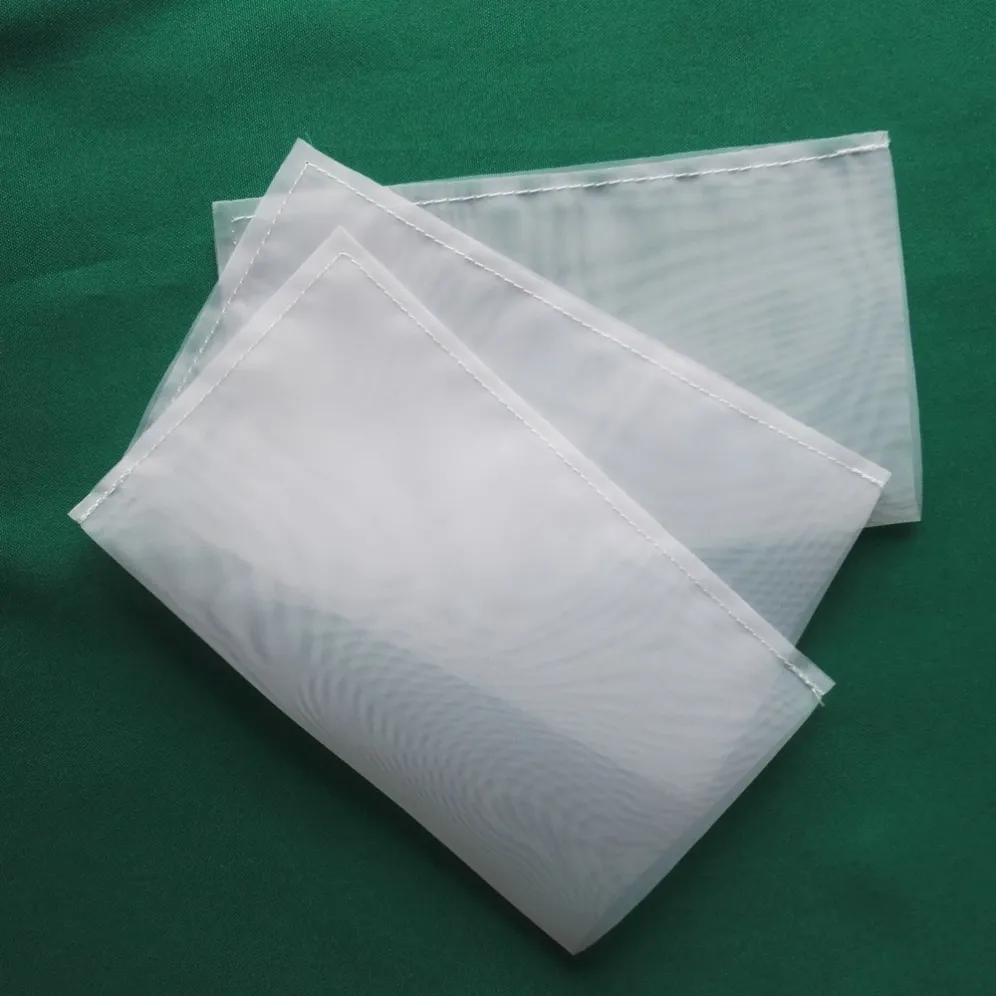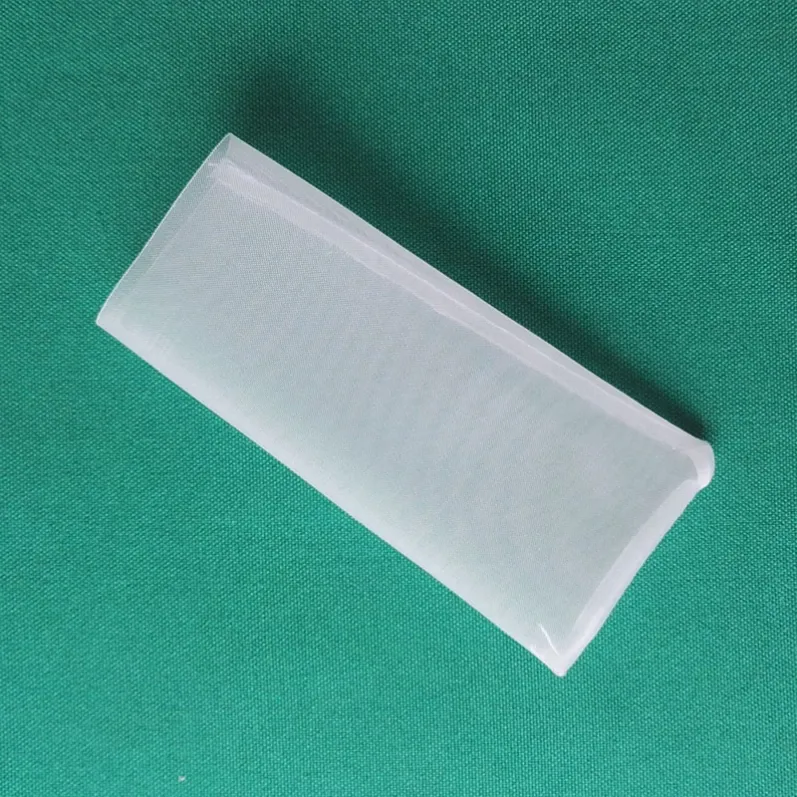
Nylon / Polyester Filter Mesh
Rosin Filter Bags: Selecting Microns, Pressing Techniques & Pro Tips
Rosin filter bags are indispensable components of heat-based extraction, helping processors yield clean, top-tier extracts.
Rosin Filter Bags: Selecting Microns, Pressing Techniques & Pro Tips
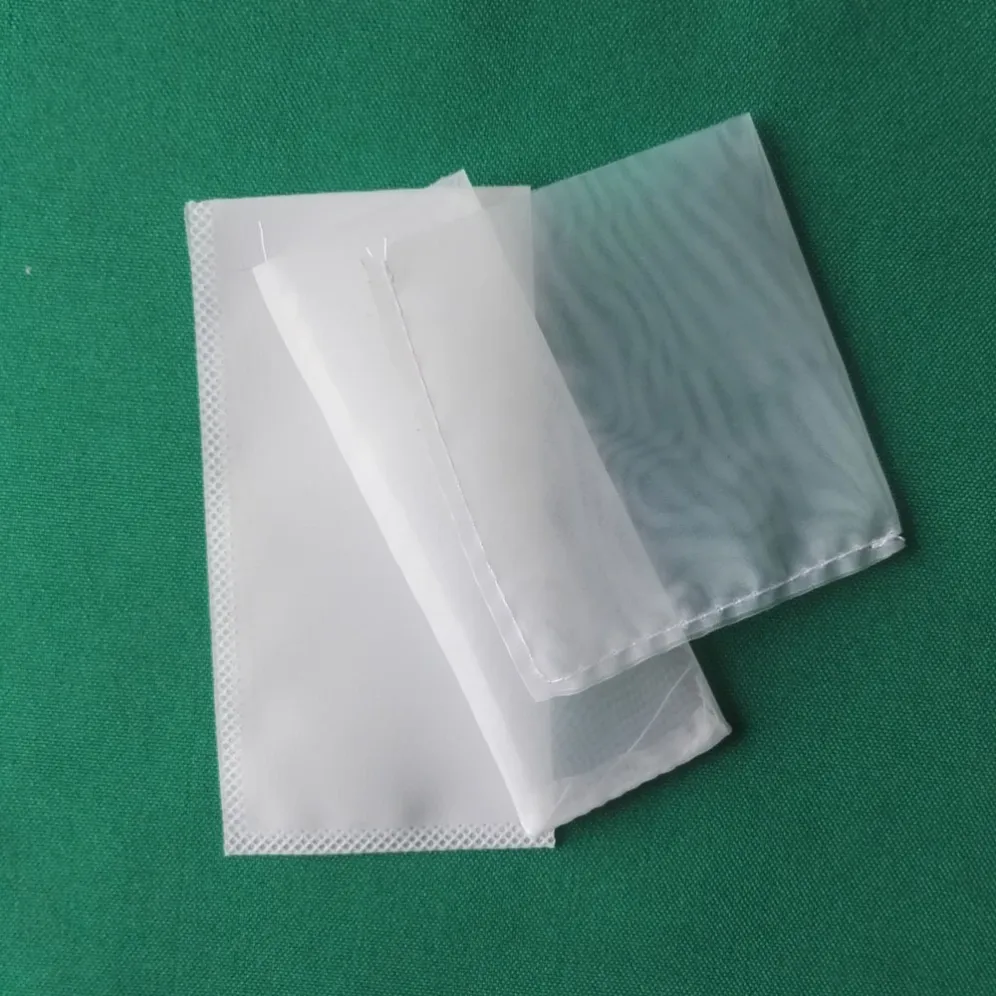
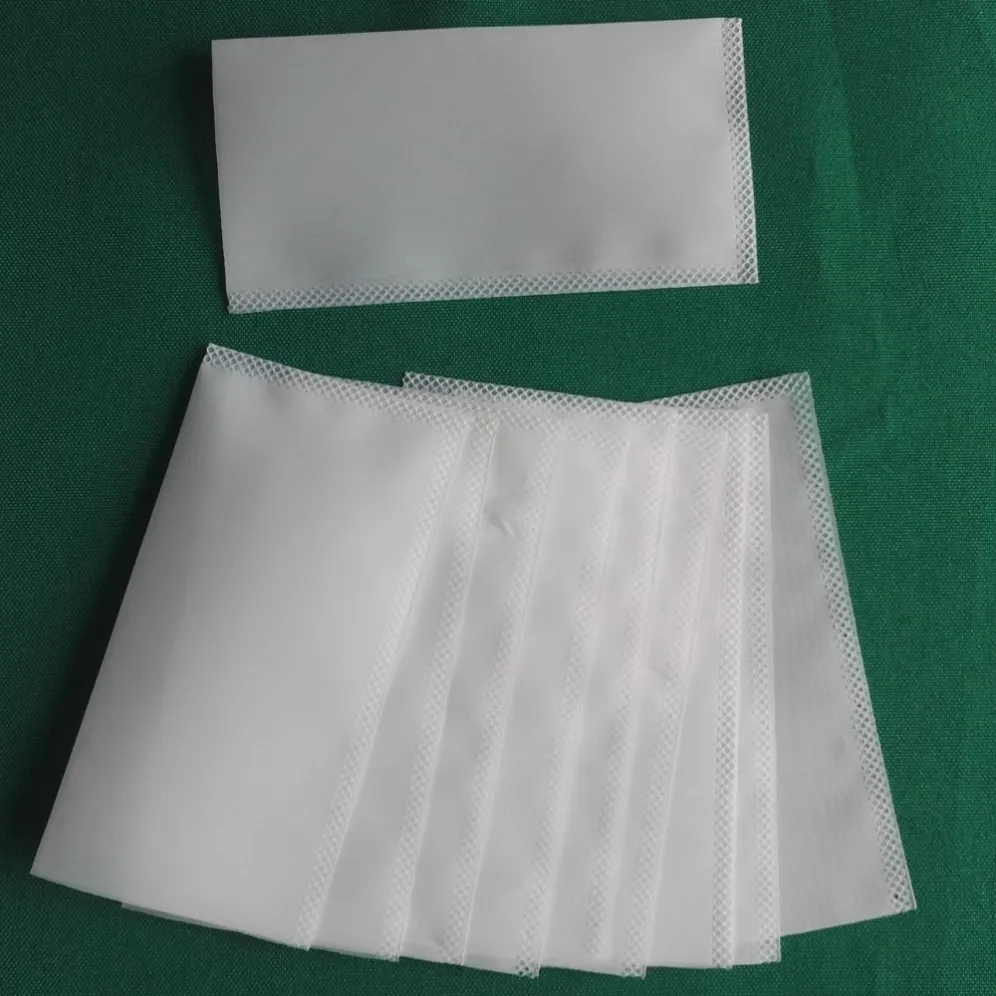
Rosin filter bags are indispensable components of heat-based extraction, helping processors yield clean, top-tier extracts. By acting as a barrier against organic plant matter, high-grade nylon mesh bags handle extreme thermal exposure and heavy physical pressure without degrading. Choosing the correct size and mesh density ensures optimal purity across various starting materials.
Understanding Heat & Pressure Extraction (Rosin Tech)
Solventless extraction uses thermal energy combined with mechanical force to separate valuable compounds from raw material.
Standard Operating Steps:
- Prepare Material: Pack cured flower, trim, dry sift, or pollen inside parchment paper.
- Apply Heat & Load: Place the bundle into a mechanical press heated to a temperature between 70°C and 120°C.
- Press: Exert uniform pressure over a few minutes. Essential resin containing terpenes and cannabinoids will squeeze out onto the parchment, leaving spent plant biomass behind.
Primary Benefits of Using Extraction Bags
Using mesh bags yields superior results compared to pressing unbagged raw biomass.
- Superior Purity: Straining out particulate debris produces clearer, refined rosin and streamlines post-press collection.
- Multiple Press Capabilities: Depending on desired purity, loaded material can undergo up to four pressing passes.
- Thermal & Mechanical Durability: Premium nylon mesh withstands temperatures up to 240°C without bursting, melting, or degrading.
- Easy Biomass Removal: Non-stick internal surfaces allow quick discard of pressed cakes after extraction.
Safety and Quality Advantages
- Zero Chemical Hazard: Eliminates volatile solvents, removing the risk of residual chemicals or fire hazards.
- Maximum Flavor Retention: Low-temperature pressing preserves volatile aromatic compounds and subtle flavor notes better than harsh chemical separations.
- Elevated Potency: Delivers concentrated cannabinoid profiles far stronger than raw plant material through a straightforward process.
Micron Rating Guide for Biomass Types
Filter selection determines the balance between total volume yield and extract clarity:
- Whole Buds & Leaf Trim (120 Micron): A versatile middle-ground mesh density. It allows rich trichome heads to flow through easily while trapping coarse leaf particles.
- Kief, Pollen & Dry Sift (37–90 Micron): Finer openings trap microscopic particles, preserving fine trichome heads to produce top-grade, high-purity extracts.
General Rule: Finer screens (lower microns) maximize extract clarity at the expense of total volume output. Coarser screens (higher microns) increase overall output but allow slight particle carryover.
Single-Use vs. Bag Reuse
To maintain product purity, always start with a fresh filter bag for each extraction cycle.
Reusing previously squeezed bags compromises structural integrity, unevenly distributes hydraulic force, and introduces oxidized residual oils into new batches, degrading flavor and quality.
What Does Micron Mean?
Micron is the size of the holes in the bag's mesh. A lower micron number means smaller holes and finer filtration. A higher micron number means larger holes and easier flow.
- Low micron (25–37): finer filtration, cleaner rosin, lower yield.
- High micron (90–120): higher yield, faster flow, slightly less filtration.
Food-grade nylon is the standard material for rosin filter bags because it is heat-resistant, strong under pressure, and available in a wide range of micron sizes. Look for double-stitched seams — a weak seam is one of the most common causes of blowouts.
The Quick Answer: Micron Chart for Flower, Kief and Hash
Material | Typical starting micron range | Good starting point |
|---|---|---|
Flower and trim | 90–120 micron | 120 micron |
Dry sift / kief | 37–90 micron | 72 micron |
Hash / bubble hash | 25–37 micron | 37 micron |
These are starting points, not fixed rules. The best choice for your shop also depends on your press temperature, your pressure, and whether you value yield or purity more. If you are not sure, start with the number in the right-hand column and adjust on your next press.
Note: different suppliers may recommend slightly different numbers. Before you order in bulk, ask your supplier for their recommended micron chart and use the same chart across your whole shop — so every article, product page and quote tells the same story.
Flower and Trim: 90–120 Micron
Flower is the most forgiving material to press, and it gives the highest yield of the three.
- 120 micron is a good starting point for most flower. It gives a strong balance of yield and quality, and it is the easiest place for a beginner to start.
- 90 micron filters a little finer. Use it when you want cleaner rosin and you are willing to give up a small amount of yield.
- Going much finer than 90 micron for flower usually costs more yield than it is worth. The extra filtration does not improve the rosin enough to justify the loss.
If you press flower every day, keep both 90 and 120 micron bags in stock. Most USA grow shops do — 120 micron for regular runs, 90 micron when a customer asks for a cleaner result.
Dry Sift and Kief: 37–90 Micron
Kief is finer than flower, so it needs a finer bag. A bag that works well for flower will let too much kief through.
- 72 micron is a practical starting point for dry sift and kief. It sits in the middle of the range and works well for most material.
- 37–50 micron gives cleaner rosin, but the yield drops. Use the finer end of the range when purity matters more than volume.
- 90 micron is the coarse end for kief. It gives higher yield, but you may see more fine particles in the rosin.
Do not use the same micron for kief as you use for flower. That is one of the most common mistakes new pressers make, and it is the fastest way to get cloudy rosin from good kief.
Hash and Bubble Hash: 25–37 Micron
Hash is the finest material of the three, and it needs the finest filtration.
- 37 micron is a good starting point if you want a balance of yield and purity.
- 25 micron is the finest common choice. Use it when purity is the priority — for example, for a premium product where customers will pay more for cleaner rosin.
- Going coarser than 37 micron for hash lets too much material through and defeats the purpose of using a bag at all.
Because hash presses are usually smaller and more valuable per gram, the extra care in choosing the right micron pays off quickly. A blowout or a dirty batch costs far more here than it does with flower.
Yield vs. Purity: How to Decide
Every micron choice is a trade-off. This is how to think about it:
Your priority | Go finer (lower micron) | Go coarser (higher micron) |
|---|---|---|
Cleanest rosin | Yes — better filtration | No |
Highest yield | No — more rosin stays behind | Yes — easier flow |
Best for beginners | Start in the middle | Start in the middle |
Best for premium product | Yes — customers notice the difference | No |
A simple rule: if your customers complain about quality, go finer. If they complain about price and you need more yield per press, go coarser. Change one thing at a time, so you know what made the difference.
How to Test the Right Micron for Your Press
Do not guess from a chart alone. Run a small test with your own material and your own press:
- Take one batch of material and split it into two equal parts.
- Press one part with your current micron and the other part with the next size up or down.
- Compare the two results side by side — look at colour and clarity, and weigh the yield.
- Keep the winner as your new starting point for that material.
Write the result down. Flower from one grower can behave differently from flower from another, so a short note — material, micron, temperature, yield — saves you from repeating the same test next month.
3 Common Micron Mistakes
1. Using one micron for everything. Flower, kief and hash need different filtration. One bag size does not fit all three.
2. Going too fine for flower. A very fine bag for flower reduces yield without making the rosin noticeably cleaner. Match the micron to the material, not just to the lowest number.
3. Going too coarse for hash. A coarse bag for hash lets fine particles through. If your hash rosin looks cloudy, the micron is usually the first thing to check — before you blame the press or the material.
FAQ
Can I use a 120 micron bag for hash?
You can, but you should not. A 120 micron bag is made for flower. For hash, it lets too much fine material through, and the rosin will be less clean. Start with 37 micron for hash and adjust from there.
What micron should a beginner start with?
If you mainly press flower, start with 120 micron. It gives a good balance of yield and quality while you learn your press. Once you are comfortable, try 90 micron on the same flower and compare the result.
Does a finer bag always mean better rosin?
No. A finer bag means cleaner rosin, but also lower yield. The best micron is the one that gives you the quality your customers want without giving up yield you do not need to lose.
Ready to Order?
EPFilter Solutions supplies nylon rosin filter bags for USA grow shops and distributors, in common sizes and micron ratings, with custom sizes available on request.
To get a quote, tell us:
- Bag size (for example, 2 x 4 inch or 3 x 6 inch)
- Micron rating
- Quantity
Contact us at info@epfilter.com or WhatsApp +86 131 3187 7930 — we will reply within one business day.