
Sep 15, 2026Stainless Steel Conveyor Belts
Stainless Steel Conveyor Belts | Types, Applications & Selection Guide
How to match metal conveyor belt weave, material and temperature rating to baking, frying, freezing and drying lines.
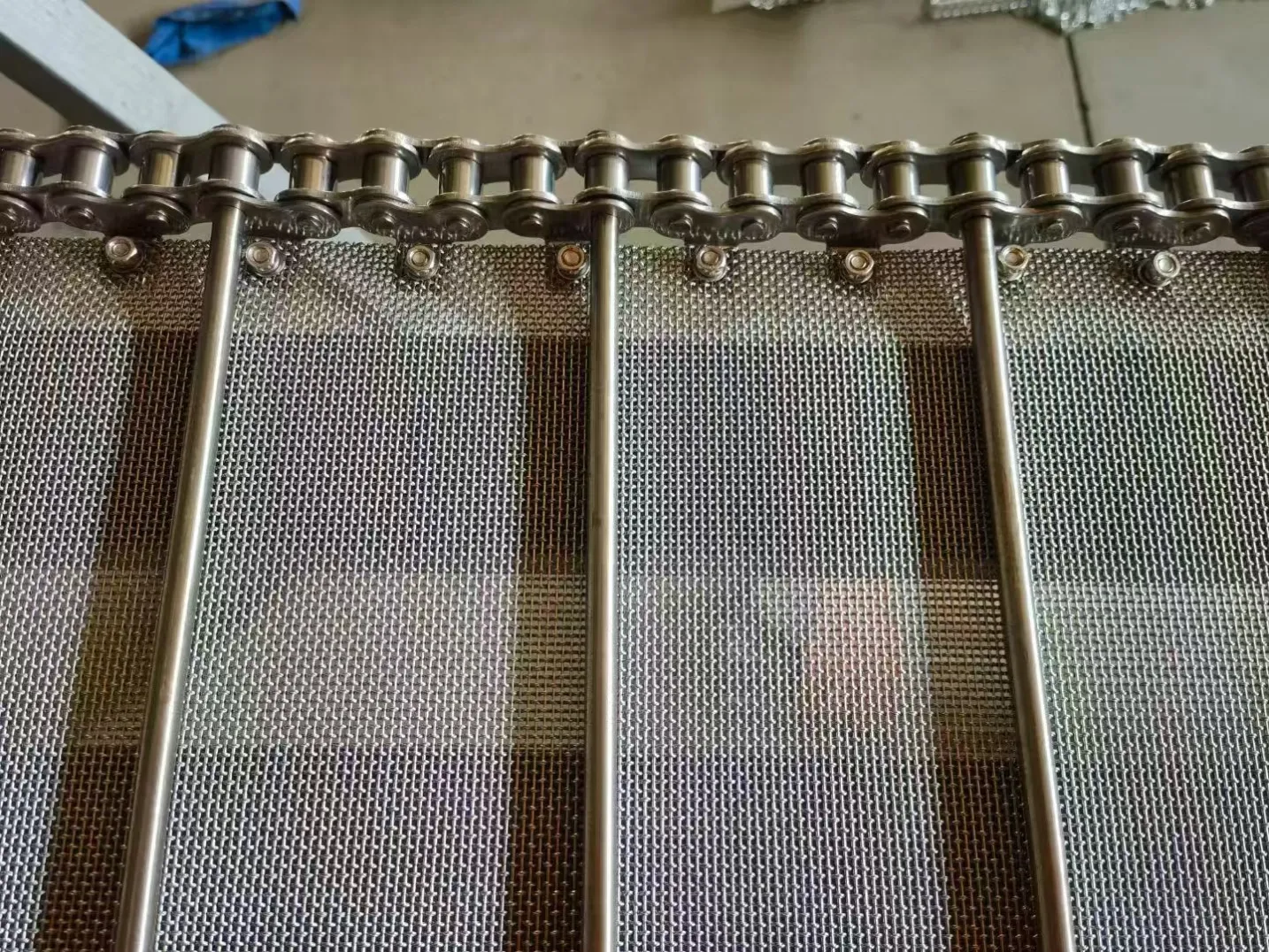
Stainless Steel Conveyor Belts: Match the Belt to Your Process
Choosing the right conveyor belt is essential for reliable material handling in food processing and industrial production. Stainless steel wire mesh belts are designed to transport products through ovens, fryers, freezers, dryers, and washing systems where conventional fabric belts may not withstand the operating conditions.
EPFilter manufactures a wide range of metal conveyor belts, including Compound Weave, Flat Flex, Eye Link, Honeycomb, Spiral Freezer, and Rod Bar belts. Each belt design offers different advantages in terms of strength, airflow, drainage, flexibility, and product handling.
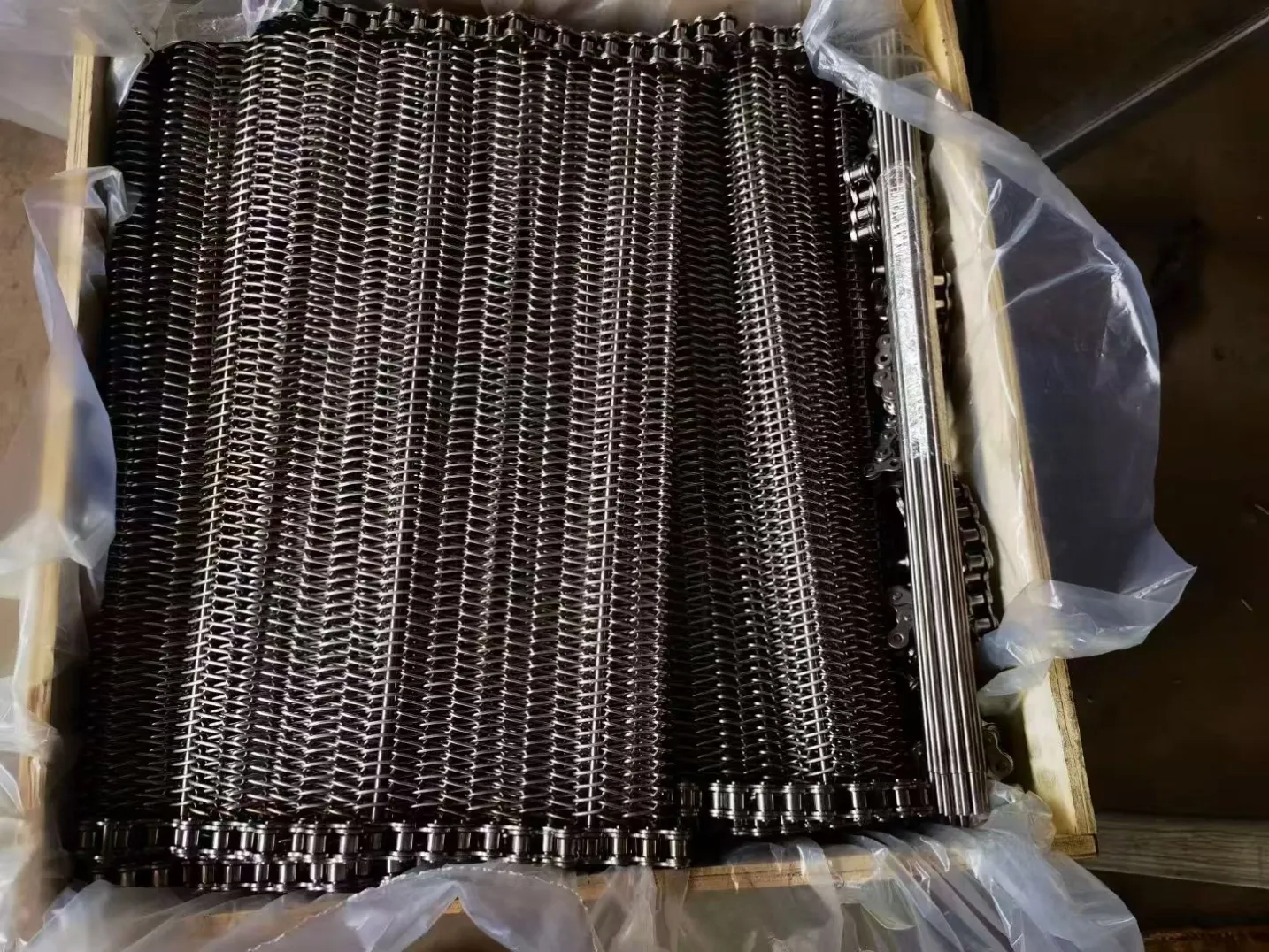
Match the Belt to Your Process
The right conveyor belt depends on your product, operating temperature, cleaning requirements, and conveying system.
- Ovens & Baking: Choose a belt with suitable heat resistance, strength, and airflow.
- Frying & Cooking: Select a belt that supports efficient drainage, easy cleaning, and reliable product handling.
- Freezing & Cooling: Use a belt designed for low-temperature operation and stable conveying.
- Drying & Dehydration: Select an open mesh structure to promote airflow and moisture removal.
- Food Processing: Choose food-contact-compatible stainless steel with a suitable surface finish.
Conveyor Belt Structures & Their Applications
Compound Weave Conveyor Belts
Compound Weave Conveyor Belts feature a dense, smooth conveying surface and high structural stability. They are suitable for transporting small or delicate products, including nuts, cookies, and other food items.
The dense mesh structure provides good product support and can help achieve consistent heat transfer in baking, drying, and heat-treatment applications.
Typical Applications:
- Biscuit and cookie ovens
- Nut roasting and drying
- Food baking lines
- Chemical and industrial conveying
Flat Flex Conveyor Belts
Flat Flex Conveyor Belts are lightweight, flexible, and easy to clean. Their open mesh structure provides excellent airflow and drainage, making them widely used in food processing and continuous conveying systems.
Typical Applications:
- Frying lines
- Baking and cooking
- Cooling and drying
- Chocolate enrobing
- Food processing conveyors
Honeycomb (Flat Wire) Conveyor Belts
Honeycomb Conveyor Belts, also known as Flat Wire Conveyor Belts, feature a flat, stable conveying surface and an open structure that supports airflow, drainage, and efficient heat transfer.
Depending on the design, stainless steel Honeycomb belts can offer approximately 40–65% open area. Their operating temperature range depends on the material, wire diameter, belt construction, and equipment conditions.
Typical Applications:
- Baking and heat treatment
- Food drying and dehydration
- Washing and drainage
- Frying and cooking
- Industrial conveying
Spiral Freezer Conveyor Belts
Spiral Freezer Conveyor Belts are designed for vertical spiral conveying systems, allowing products to travel through multiple levels of a freezing or cooling tower.
Self-stacking spiral belts can form a stable conveying structure within the spiral system, reducing the need for additional support components in suitable equipment designs.
They are widely used in IQF freezing, food cooling, and continuous freezing lines where efficient use of production space is important.
Recommended Stainless Steel Grades
- SS304: Suitable for many food processing applications, including poultry, bakery, dairy, and vegetable processing.
- SS316 / SS316L: Recommended for applications involving seafood, brine, saltwater, or more aggressive corrosive environments.
The appropriate material grade depends on the product, cleaning chemicals, temperature, and actual operating conditions.
Material Selection & Temperature Resistance
Choosing the right material is important for conveyor belt durability, corrosion resistance, and service life.
Carbon Steel
Carbon steel belts are suitable for selected dry, low-corrosion, and moderate-temperature applications where cost efficiency and mechanical strength are priorities.
Stainless Steel 304
SS304 stainless steel is widely used in food processing and industrial conveying. It offers good corrosion resistance and can be used in elevated-temperature applications, depending on the belt design and operating conditions.
Stainless Steel 316 / 316L
SS316 and SS316L provide improved resistance to chloride exposure and corrosive environments compared with SS304. They are a preferred choice for seafood processing, brine contact, and demanding washdown applications.
Important: Maximum working temperature depends on the stainless steel grade, weave structure, wire diameter, belt tension, atmosphere, and actual operating conditions. Confirm the suitable temperature rating with EPFilter before ordering.
How to Order a Stainless Steel Conveyor Belt
1.Send us the belt picture you want ,
2, We will send you the belt drawing to you, then tell us the need specifications is ok .
3.We will quote you due to the specifications .
4 Order