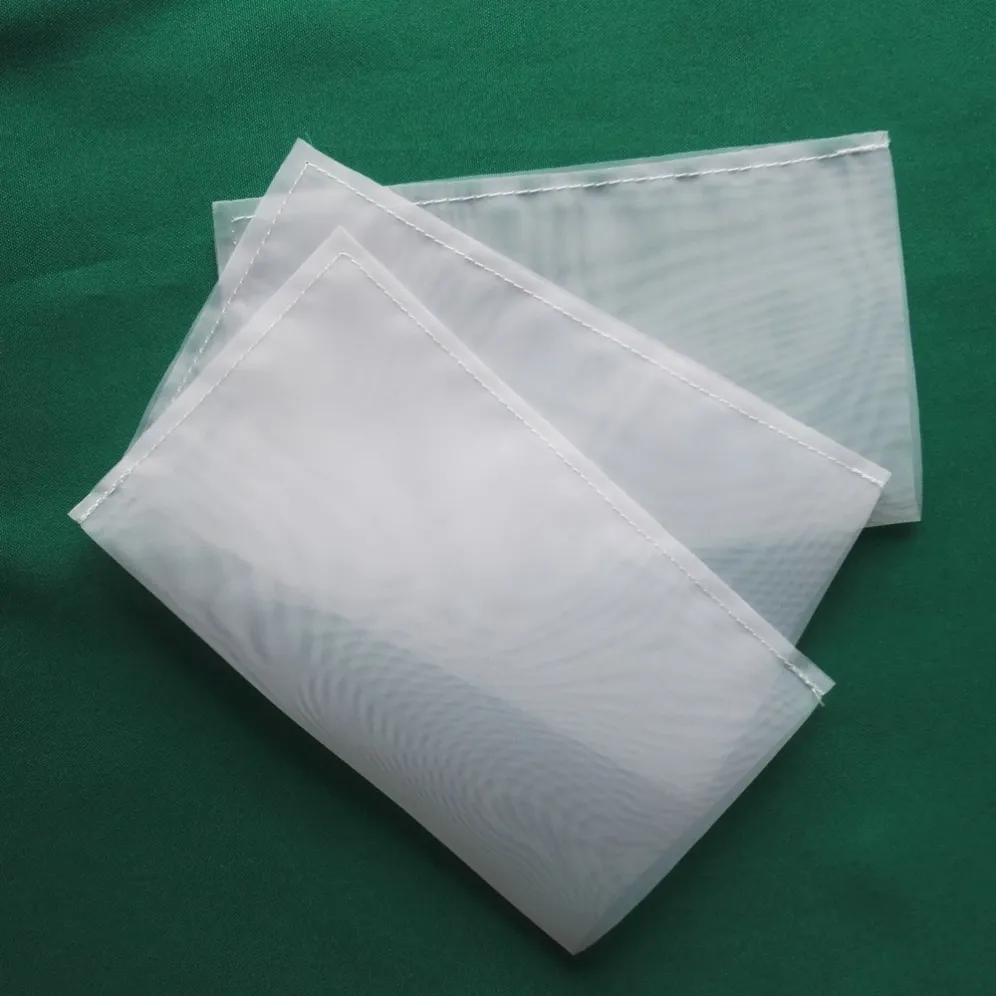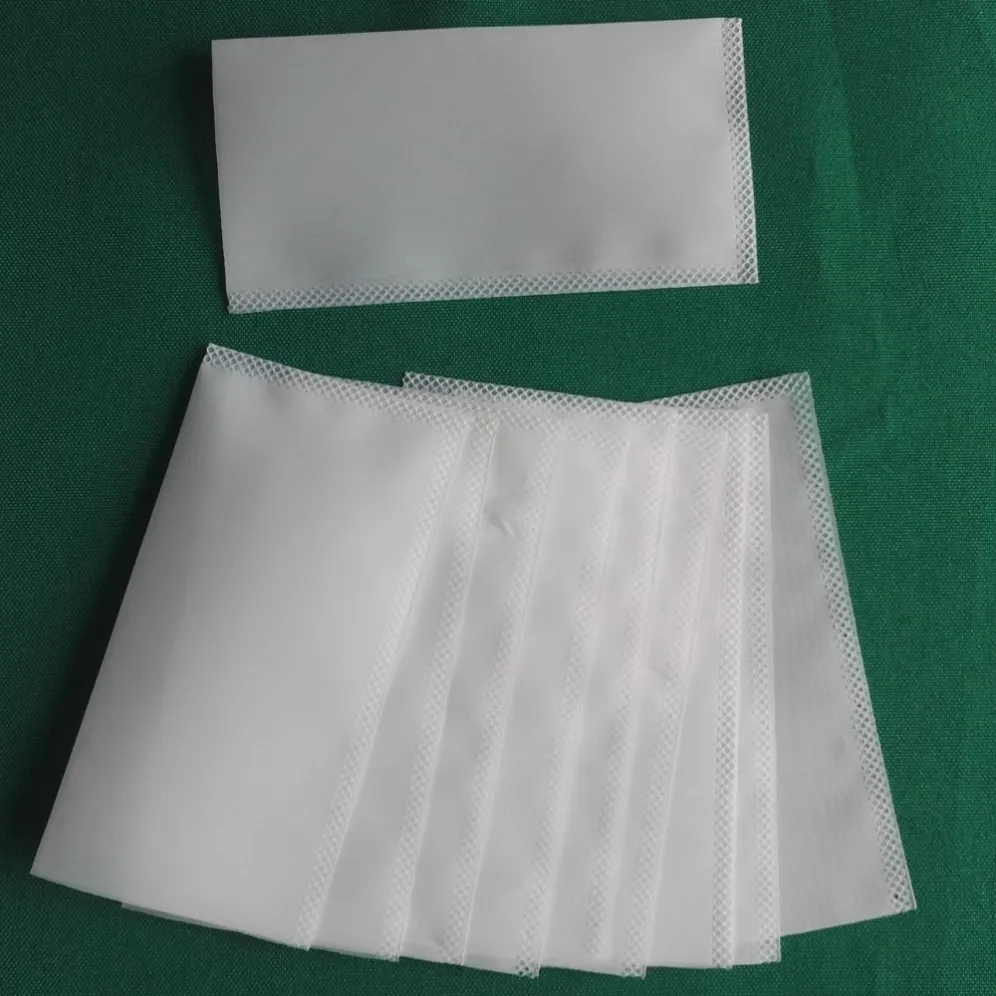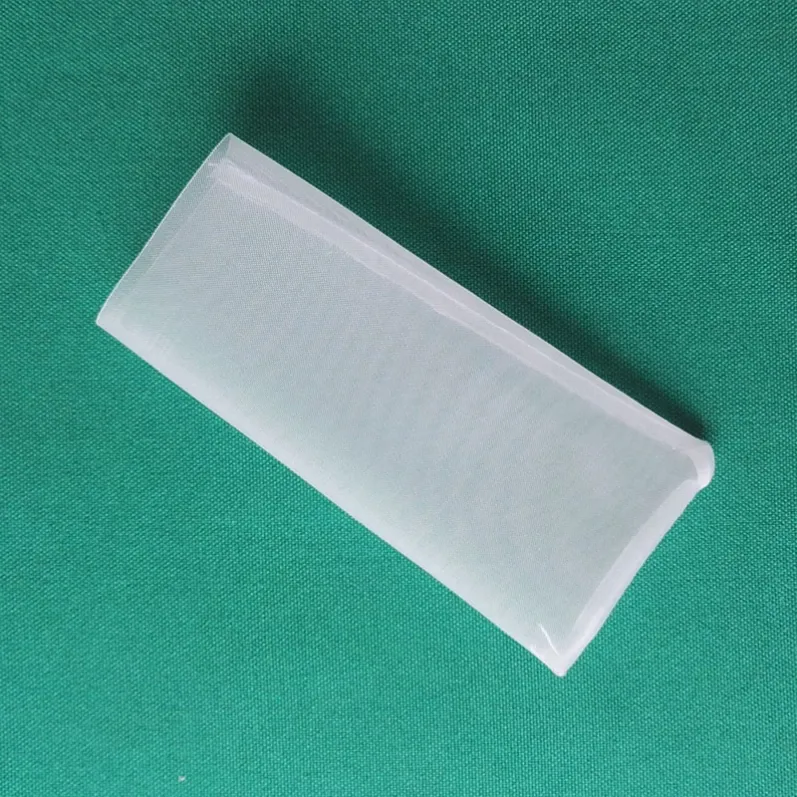
Nylon / Polyester Filter Mesh
How to Make Nut Milk with a Nut Milk Bag: A Beginner's Guide
Learn how to make fresh almond, cashew, and oat milk at home with a nut milk bag. Simple steps, common mistakes, and how to pick the right bag.
Short answer: Soak the nuts overnight, blend them with fresh water, then pour the mixture through a nut milk bag and squeeze. In about 15 minutes of hands-on time, you get fresh, creamy nut milk with no pulp — and no additives you cannot pronounce.
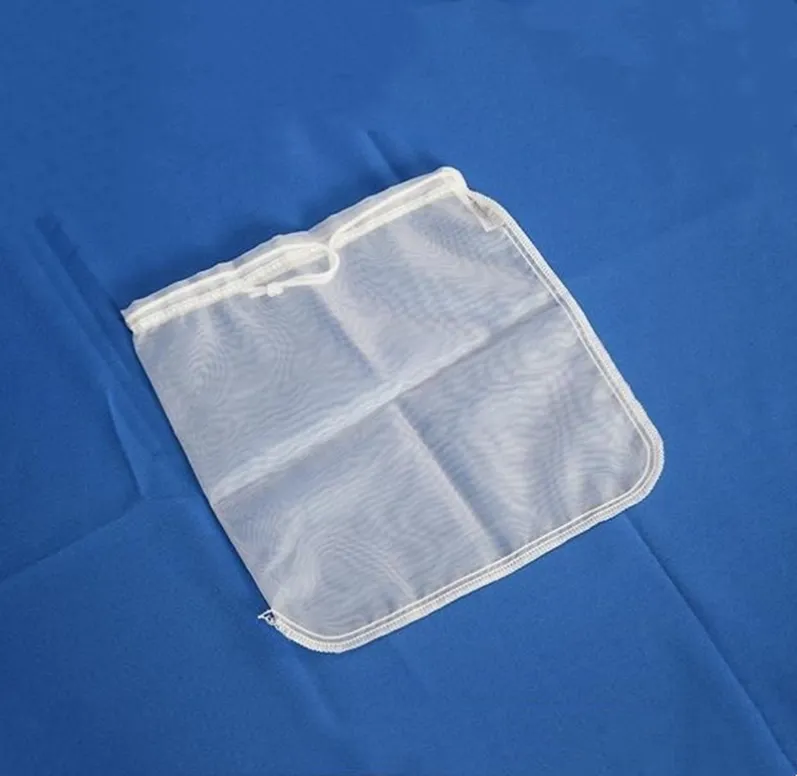
A nut milk bag is a fine-mesh bag made from food-grade nylon. It strains out the pulp while the milk flows through, and it can be washed and used again. That is the whole trick. Everything else in this guide is about getting the details right: the soak, the blend, the squeeze, and the bag itself.
Why Make Nut Milk at Home?
Store-bought nut milk is convenient, but it has three problems home cooks keep running into:
You pay for water. Most cartons are 95% water or more, with a small amount of nuts and a long list of gums, oils, and flavorings to make it taste creamy.
The taste is thin. Homemade nut milk tastes like the nuts you used, because you control the ratio. More nuts, richer milk.
The waste adds up. One carton a week is 52 cartons a year. A reusable bag replaces cheesecloth and disposable strainers — and a homemade batch costs less per cup than most store brands.
The trade-off is time: about 15 minutes of hands-on work, plus an overnight soak. For most home cooks, that is a fair trade for milk that tastes better and costs less.
What You Need
- A nut milk bag (fine-mesh, food-grade nylon, double-stitched seams)
- A blender — any standard blender works
- Raw nuts or oats: almonds, cashews, hazelnuts, or rolled oats
- Fresh water
- A large bowl or pitcher to catch the milk
- Optional: a pinch of salt, a date or two for sweetness, vanilla extract
One note on the bag: pick a size that fits your blender jar and your bowl, with room to fold the top over while you squeeze. A bag that is too small is hard to squeeze; a bag that is too big is awkward to handle.
How to Make Nut Milk: 6 Steps
1. Soak the nuts overnight. Cover raw almonds or cashews with water and leave them for 8–12 hours. Soaking softens the nuts so they blend smoothly and makes the milk creamier. Cashews soak faster than almonds — 4–6 hours is enough. Oats do not need soaking at all; rinse them and go straight to blending.
2. Drain and rinse. Pour off the soaking water and rinse the nuts under fresh water. Do not blend in the soaking water — it tastes bitter and makes the milk cloudy.
3. Blend with fresh water. Add the soaked nuts and fresh water to the blender. A good starting ratio is 1 cup of nuts to 4 cups of water for a milk that pours like store-bought. For a richer, creamier milk, use 1 cup of nuts to 3 cups of water. Blend on high for 1–2 minutes until the mixture looks smooth and white.
4. Strain through the nut milk bag. Set the bag inside a large bowl or pitcher, with the top folded over the rim. Pour the blended mixture into the bag. Lift the bag and let the milk drain on its own for a minute before you start squeezing.
5. Squeeze gently and steadily. Gather the top of the bag and squeeze with both hands, working from the top down. Squeeze steadily — do not rush it. Hard, fast squeezing forces fine pulp through the mesh and stresses the seams. It usually takes 2–3 minutes to get all the milk out.
6. Flavor, bottle, and chill. Stir in a pinch of salt, and add vanilla or a soaked date if you like. Pour the milk into a clean bottle or jar and refrigerate. Homemade nut milk keeps 3–5 days in the fridge. Shake before each use — separation is normal, because there are no stabilizers in it.
Nut Milk Bag vs. Other Straining Methods
A nut milk bag wins for this job because the mesh is fine and even, so the milk comes out smooth, and the bag is strong enough to be squeezed hard without tearing. Cheesecloth is the classic alternative, but it is hard to squeeze without tearing, it absorbs milk, and it leaves fibers behind.
3 Common Mistakes to Avoid
1. Skipping the soak. Unsoaked almonds blend into grit, not cream. The milk comes out grainy and thin, and the bag has to work much harder. Soak overnight — it is the easiest step and the one that matters most.
2. Squeezing too hard, too fast. Hard squeezing forces fine pulp through the mesh and stresses the seams. Squeeze steadily and let the milk drain. If the bag feels like it is about to burst, stop and let it drain on its own for a minute.
3. Using the wrong tool for the job. A coffee filter is too slow for a full batch. A metal strainer is too coarse. A single layer of cheesecloth tears when you squeeze it. Use a bag made for this job — fine mesh, strong seams, and big enough to hold a full blender batch.
How to Care for Your Nut Milk Bag
Rinse the bag right after use, before residue dries in the mesh. Turn it inside out and wash with mild soap and warm water. Air-dry it completely before storing, and replace it when the mesh stretches out of shape or a seam starts to fray. With basic care, one bag lasts for many batches.
FAQ
How long does homemade nut milk last? 3–5 days in the fridge, in a sealed bottle or jar. Shake before each use — separation is normal.
Can I use a nut milk bag for oat milk? Yes. Blend rolled oats with cold water for 30 seconds — do not over-blend, or the milk turns slimy — then strain the same way. Use cold water, not warm.
Almond, cashew, or oat — which is easiest for a beginner? Cashew. It soaks faster and blends smoother, because cashews are soft. Almond milk tastes the most familiar; oat milk is the cheapest per batch.
Can I reuse the bag? Yes. Rinse it right after use, wash with mild soap, and air-dry. One bag handles many batches.
Can I order nut milk bags in bulk? Yes. EPFilter Solutions supplies nut milk bags for USA cafés, juice bars, home-goods retailers, and distributors, in common sizes, with custom sizes available on request. Ask us which size fits your blender or your retail line.
The Decision Rule
If you remember one thing: soak overnight, blend with fresh water, and squeeze steadily — and use a bag made for the job, not cheesecloth.
Ready to Order?
EPFilter Solutions supplies food-grade nylon nut milk bags for USA cafés, juice bars, retailers, and distributors, in common sizes, with custom sizes available on request.
To get a quote, tell us:
- Bag size
- Quantity
- Whether it is for retail, food service, or resale
Contact us at info@epfilter.com or WhatsApp +86 131 3187 7930 — we will reply within one business day.