Sep 9, 2026Buying Guides
How to Choose the Right Stainless Steel Wire Mesh
A practical guide to mesh count, aperture, weave type and material grade when selecting stainless steel wire mesh.
Start with the application
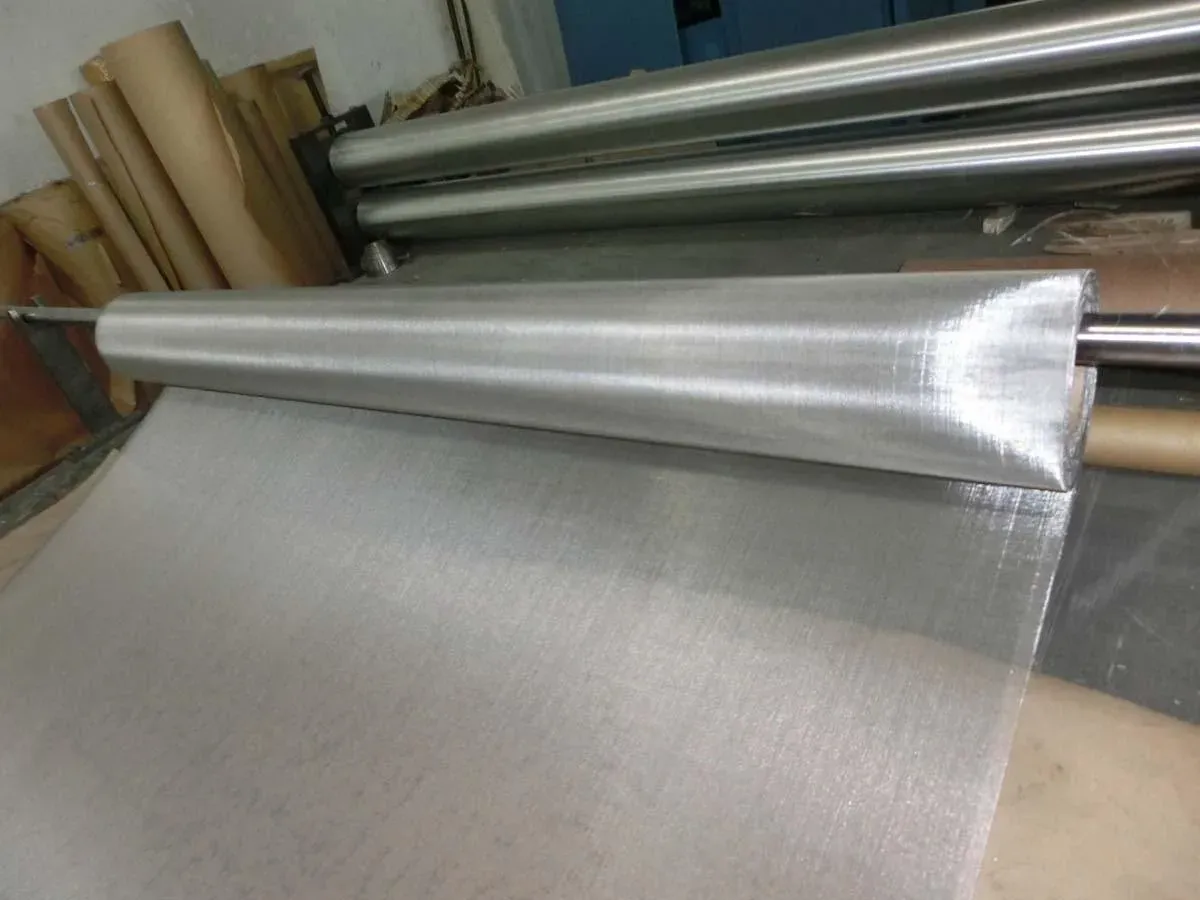
Wire mesh is specified by the job it must do: sieving, filtration, screening or architectural use. The same roll of mesh will not suit a food sieve and a high-pressure filter.
EPFilter's stainless steel mesh range covers SS304, 304L, 316 and 316L, from 1x1 to 635x635 mesh per inch.
Mesh count and aperture
Mesh count is the number of openings per linear inch. A higher count means smaller openings: for example 100x100 mesh has openings near 140-153 micron, while 2x2 mesh opens to roughly 7000 micron.
For fine filtration, check the opening in micron rather than mesh count alone, because wire diameter also changes the open area.
Plain or twill weave
Plain weave passes the shute wire alternately over and under each warp wire, giving an even, open cloth.
Twill weave passes the shute over and under two wires at a time, producing a sturdier cloth that resists distortion under load.
Material grade matters
SS304 is the general-purpose grade for most filtration and sieving. SS316 and 316L add molybdenum for better corrosion resistance in food, marine and chemical environments.
Where the process is abrasive or high-temperature, special alloys such as nickel, monel or inconel are available.
Ordering what you need
Send the mesh count or micron rating, wire diameter if fixed, material grade, sheet or roll size and quantity.
EPFilter supplies square woven, dutch, crimped and printing mesh; contact us with your specification for a quote.