Sep 15, 2026Stainless Steel Screen Mesh
Mesh Count & Micron Rating: A Guide to Choosing Filter Mesh
A plain-language explanation of how wire mesh is measured, and why micron rating matters more than mesh count for filtration.
Mesh Count & Micron Rating: A Guide to Choosing Filter Mesh
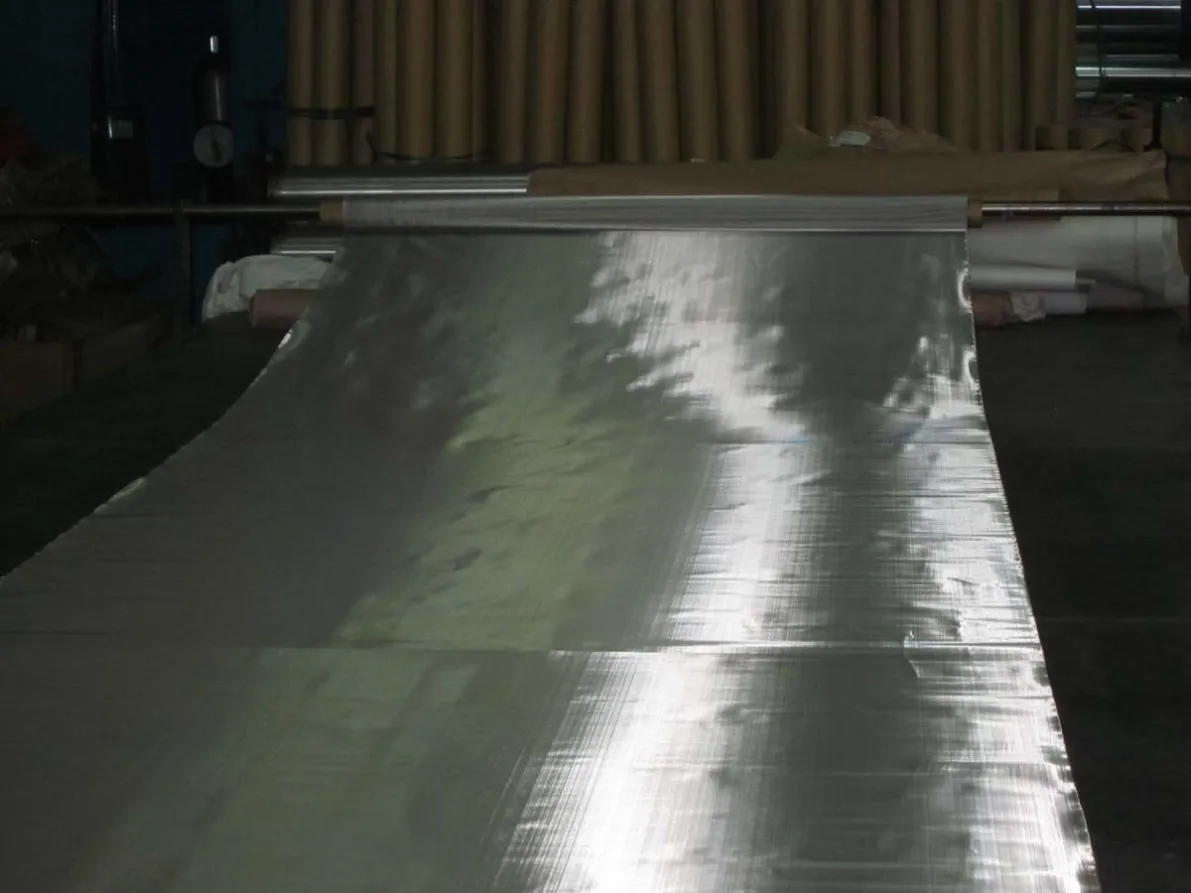
Understanding mesh count, micron rating, and open area is essential when selecting the right woven wire mesh for screening and filtration. EPFilter supplies square woven mesh, Plain Dutch Weave, and Twilled Dutch Weave in a wide range of specifications for industrial applications.
Mesh Count Explained
Mesh count refers to the number of openings per linear inch of woven wire mesh. For square mesh, it is commonly expressed as a single number, such as 100 mesh, or as 100 × 100 when specifying both warp and weft counts.
Mesh count indicates the fineness of the cloth, but it does not define the exact opening size. Wire diameter also affects the size of each opening.
For Dutch weave mesh, the specification is generally written as warp × weft, for example:
- Plain Dutch Weave (PDW): 24 × 110
- Twilled Dutch Weave (TDW): 165 × 800
The first number refers to the warp wire count, and the second refers to the weft wire count.
Why Micron Rating Matters
Micron rating is an important specification for filtration and particle retention.
One micron (μm) equals one-thousandth of a millimeter. The actual opening size determines which particles can pass through the mesh, while wire diameter and weave structure affect filtration performance.
Two wire cloths with the same mesh count can have different opening sizes if their wire diameters differ.
Open Area & Flow Performance
Open area is the percentage of the total mesh surface occupied by openings.
A higher open area generally allows more fluid or air to pass through with lower flow resistance, provided other factors remain comparable.
Why Open Area Matters
- Filtration Flow: Helps determine fluid flow capacity and pressure drop.
- Airflow & Drainage: Supports efficient air circulation and liquid drainage.
- Cleaning: Larger openings may make cleaning and backwashing easier.
- Screening Efficiency: Influences material passage and overall screening performance.
When airflow, drainage, or high flow capacity is important, choose a mesh with sufficient open area while maintaining the required particle retention.
How to Choose the Right Micron Rating
Selecting the right mesh starts with identifying the particle size you need to retain.
Step 1: Identify Your Target Particle Size
Determine the size of the particles that must be removed or retained.
Step 2: Select the Appropriate Mesh Rating
Choose a mesh with a suitable absolute or nominal micron rating, depending on your filtration requirements and test conditions.
Important: A nominal rating is not equivalent to an absolute rating. The correct specification should be selected based on the required retention performance.
Step 3: Confirm Operating Conditions
Consider the following factors:
- Fluid or material being filtered
- Target particle size and micron rating
- Operating pressure and temperature
- Required flow rate
- Mesh material and corrosion resistance
- Weave type and wire diameter
Get a Personalized Mesh Recommendation
Not sure which mesh count or micron rating is right for your application?feel free to contact us for some advice .